
How The No Falls Week Campaign Is Changing Site Infrastructure Standards
June 3, 2026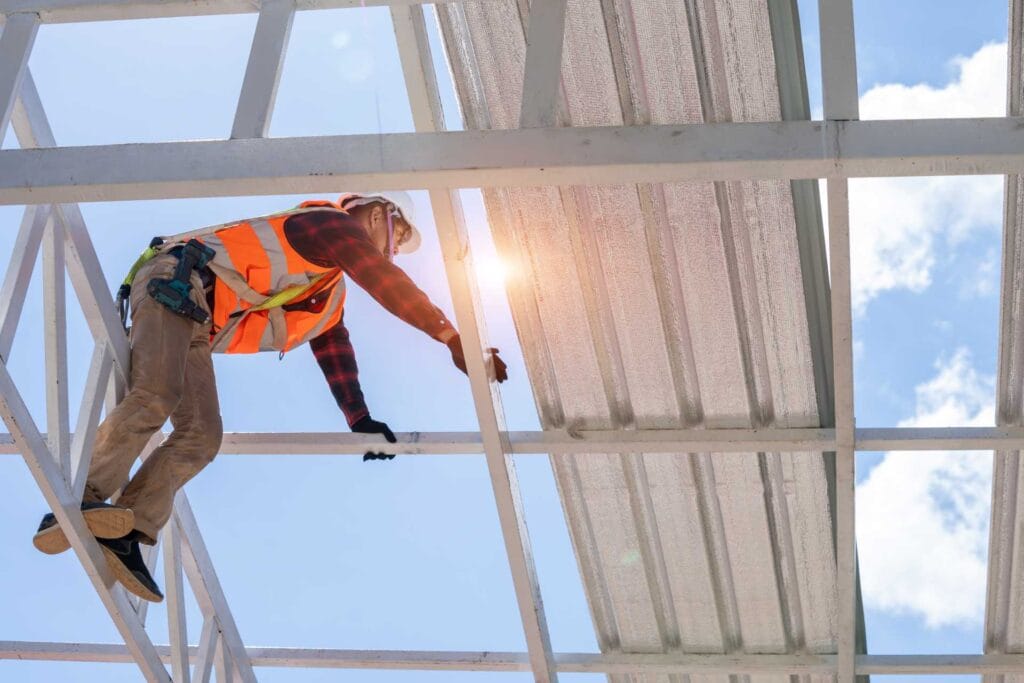
At a Glance
Falls from height remain the leading cause of fatal injuries in UK construction, highlighting the need for a proactive approach to site safety. Campaigns such as No Falls Week 2026 encourage organisations to reduce risks through better planning, safer site layouts and improved welfare infrastructure.
Mobile welfare units support these goals by enhancing worker wellbeing, reducing unnecessary site movement and helping create safer, more organised construction environments.
Contact Hireforce for more information on our HSE-aligned welfare units.
UK Falls From Height Statistics
According to the latest annual UK statistics for work-related fatal injuries, falls from heights continue to be a leading safety challenge facing the construction industry.
These fall from height statistics in the UK reveal that it’s the most common type of fatal accident, accounting for over a quarter of all injuries in 2024-25.
The industry is pushing towards safer working environments with improvements in training, equipment and site management being considered. One such initiative is No Falls Week, which encourages site managers, contractors and suppliers to think beyond fall-protection measures.
With this as the backdrop, organisations are increasingly realising the role that site infrastructure, welfare facilities and site layout planning play in reducing the risk of falling from height, even before construction begins.
With this guide, understand how this shift is changing the industry’s approach to health and safety infrastructure on construction sites.
What is the No Falls Week 2026 Campaign?
No Falls Week is an annual safety campaign led by the No Falls Foundation, the first and only UK charity highlighting work-at-height concerns.
Now in its third year, the campaign brings together organisations across construction, utilities, manufacturing, facilities management and other sectors where working at heights presents a risk.
Its primary goal is to encourage businesses to:
- Raise awareness of fall hazards
- Review existing safety procedures
- Improve workforce training
- Promote safer working practices
- Encourage open conversations around risk management
The campaign emphasises creating a stronger safety culture where preventing falls becomes everyone’s responsibility.
One of its core messages stresses the importance of fall prevention and that it starts long before anyone climbs a ladder or works on a roof.
Your site can reduce risk through effective site planning early on:
- Improved access routes
- Providing adequate and appropriate welfare facilities
- Safer site layouts
- Better housekeeping standards
- Reduce unnecessary site movement
With these pointers in mind, site managers are reviewing how site infrastructure can support wider safety goals.
Why Mobile Welfare Units Are Becoming a Site Safety Standard
Even though they provide workers with essential amenities such as access to toilets, washing facilities and rest areas, mobile welfare units are largely seen as a box to tick for HSE and CDM compliance.
However, this is changing, as they are becoming regarded as a key part of overall site safety management.
Create Better Working Conditions
Construction work is demanding. Fatigue, dehydration, inadequate rest areas and poor hygiene contribute to lowered concentration and weaker decision-making.
Clean, well-maintained welfare facilities can help your team:
- Stay alert throughout, especially during risky tasks
- Maintain better well-being
- Reduce the likelihood of human errors
Reduces Unnecessary Site Movement
Positioning welfare units strategically can reduce unnecessary movement around the site and help contractors stay close to their work zone.
This measure can lower:
- Congestion around work areas
- Exposure to hazards
- Interaction with the plant and machinery
How Site Welfare Infrastructure Can Lower Risks of Falling From Heights
Site welfare units are not equipment that protects against falls, but they can indirectly help reduce conditions that lead to accidents.
Improving Site Layout and Access
Poorly organised construction projects can create additional hazards, such as uneven ground conditions or cluttered access routes. By providing easy access to welfare facilities, your site can maintain clearer walkways, reduced congestion around key access points and more organised work zones.
Supporting Worker Focus and Well-Being
Sometimes, the cause of accidents is not poor training, but fatigue, distraction or poor judgment that impairs decision-making. Research has also shown a link between physical and mental well-being and their influence on workplace safety.
When carrying out tasks at a height, even minor lapses in concentration can have serious consequences.
With accessible welfare facilities, you help workers stay hydrated, especially in hot weather and take rest breaks to recover from physically demanding work.
Supporting Temporary and Remote Projects
A large number of civil engineering, housing, infrastructure, utility and renewable energy projects operate in remote locations where establishing permanent facilities takes time.
With mobile welfare units on site, you ensure your teams have access to essential amenities without having to travel off-site. It not only saves project time but also maintains safe working practices regardless of site location.
How Hireforce Supports Safer UK Construction Projects
Hireforce understands the importance of safer construction sites in the UK. We also understand how safety initiatives and campaigns like No Falls Week are highlighting the importance of managing fall risks, changing site safety standards and encouraging a safety culture on and off-site.
We know that site welfare is most effective when it’s not enforced to meet regulations, but to support teams to operate safely and productively from a project’s start to its finish.
This is why our range of mobile welfare units is designed to support construction sites, infrastructure projects, utility works and temporary worksites across the wider UK.
Our HSE-aligned welfare solutions help contractors:
- Meet CDM and HSE welfare requirements
- Improve workforce well-being
- Allows easy site access
- Reduce unnecessary site movement
Explore our complete range of welfare units and contact us for more information.